

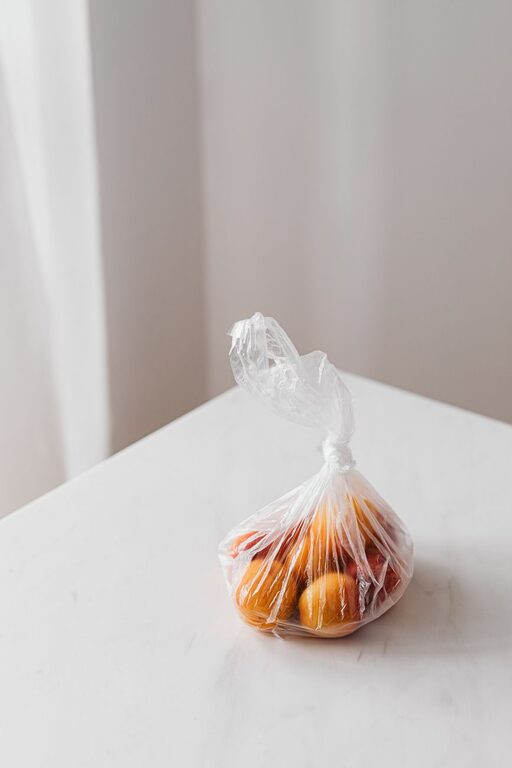
Reducing food waste at home is not only good for your wallet but also beneficial for the environment. Wasting food means wasting the resources used to produce, transport, and store it. Fortunately, with a few practical habits, you can significantly cut down on food waste. Here are some helpful strategies to get started.
Understand Your Food Habits
Before making changes, take a look at your current food habits. Keep a small journal or list of foods you regularly throw away. This will help you identify patterns and prioritize where to focus your efforts.
Plan Your Meals and Shopping
Create a Weekly Meal Plan
Planning meals in advance reduces impulse buys and ensures you only purchase what you need. A weekly meal plan can help you use ingredients efficiently across multiple meals.
Make a Shopping List and Stick to It
Write down exactly what you need before going grocery shopping, and avoid buying extras that don’t fit into your meal plan. This prevents overbuying perishable items that may spoil.
Shop Smart
– Choose loose fruits and vegetables over pre-packaged ones, so you can buy the right amount.
– Check expiration dates and buy items that will last until you plan to use them.
– Use smaller portion sizes if you live alone or with fewer people.
Store Food Properly
Understand Food Storage Basics
Proper storage can extend the shelf life of many foods. Learn which items belong in the fridge, freezer, or pantry.
Use Clear Containers
Store leftovers and pre-cut produce in clear containers so you can easily see what you have. This helps avoid forgetting food in the back of the fridge.
Keep Your Fridge Organized
Group similar items together and place newer foods behind older ones. This promotes “first in, first out” usage and reduces spoilage.
Use Leftovers Creatively
Repurpose Leftovers
Instead of throwing away extra cooked food, turn it into new meals. For example, leftover vegetables can be added to soups or casseroles.
Freeze Extras
Many cooked dishes can be frozen for future meals. Portion leftovers and label containers with dates to keep track.
Make Broth and Stock
Save vegetable scraps, bones, and meat trimmings to make homemade broth. This reduces waste and adds flavor to recipes.
Manage Portions Wisely
Serve Smaller Portions
Start with smaller servings and allow for seconds if still hungry. This reduces uneaten food on plates.
Use Smaller Plates
Using smaller plates can naturally encourage smaller portions and reduce waste from uneaten food.
Monitor Expiration Dates
Check and Rotate
When unpacking groceries, check expiration dates and organize items accordingly. Use foods that will expire soon first.
Understand Labels
“Sell by,” “Use by,” and “Best before” dates can be confusing. Many foods are safe to consume after the “Best before” date if stored properly.
Compost Food Scraps
Even with careful planning, some food scraps are unavoidable. Composting fruit and vegetable peelings, coffee grounds, and eggshells turns waste into nutrient-rich soil for gardens.
Encourage Family Participation
Involve everyone in your household in food waste reduction efforts. Teach children about the importance of wasting less food and include family members in meal planning and cooking.
Track Your Progress
Keep a log of how much food you throw away each week and try to reduce it gradually. Celebrate small successes and adjust your strategies as needed.
—
Reducing food waste at home takes some effort but results in savings, less environmental impact, and often an improvement in meal enjoyment. By planning carefully, storing food correctly, and getting creative with leftovers, you can make a positive difference every day. Start with one or two tips and build new habits over time to create a more sustainable kitchen.