

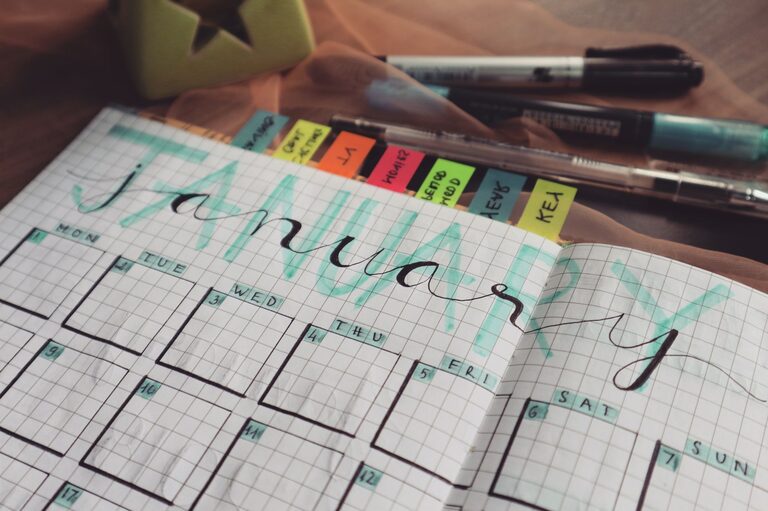
Taking a break over the weekend is essential for your well-being, but sometimes weekends can end up feeling just as busy and stressful as the weekdays. Planning a no-stress weekend can help you recharge without any pressure, allowing you to return to the week feeling refreshed and balanced. If you’re wondering how to create this kind of weekend, here are some helpful tips and ideas to guide you through the process.
Why Plan a No-Stress Weekend?
Before diving into the details, it’s important to understand why planning a no-stress weekend matters. Our lives are often packed with responsibilities, work commitments, and social obligations. Without intentional downtime, stress can build up and impact your health, productivity, and mood. A weekend designed to minimize stress lets you reset mentally and physically, making your days off truly restorative.
Step 1: Set Clear Boundaries
Limit Commitments
Avoid scheduling too many activities or errands. It’s tempting to try to fit everything into the weekend, but overloading your schedule can turn a break into another source of stress. Choose only the essentials or activities that you genuinely enjoy.
Communicate Your Plans
If you live with others, share your plan for a no-stress weekend so they understand your need for quiet time. If friends or family invite you to events, don’t hesitate to say no or suggest a future date.
Step 2: Create a Relaxing Environment
Declutter Your Space
A clean and organized home can have a calming effect. Spend a little time on Friday evening or Saturday morning tidying up. You don’t need a deep clean—just enough to create a peaceful atmosphere.
Set the Mood
Lighting, scents, and sounds all contribute to relaxation. Use soft lighting, light a favorite candle or diffuse essential oils like lavender, and play gentle background music or nature sounds.
Step 3: Plan Low-Key Activities
Enjoy Nature
Spending time outdoors is an excellent way to reduce stress. Consider going for a walk in a local park, visiting a garden, or simply sitting outside with a book or your favorite beverage.
Practice Mindfulness or Meditation
Taking even 10 minutes to meditate, practice deep breathing, or do gentle yoga can improve your mood and calm your mind.
Engage in a Hobby
Whether it’s reading, painting, cooking, or gardening, choose activities that bring you joy without pressure to perform or finish.
Step 4: Limit Screen Time
Technology can either connect us or add to our stress, especially if work emails or social media notifications keep interrupting your time off.
– Set specific times to check emails or social media.
– Consider a digital detox for parts of the day.
– Use your phone or tablet for relaxing activities like listening to audiobooks or guided meditations rather than work-related tasks.
Step 5: Prioritize Rest and Good Sleep
Establish a Comfortable Sleep Routine
Aim for consistent bedtimes and wake times even on the weekend. Create a relaxing pre-sleep routine such as reading a book or taking a warm bath.
Take Short Naps If Needed
If your body feels tired, a short nap of 20 to 30 minutes can boost energy and mood without interfering with nighttime sleep.
Step 6: Nourish Your Body
Prepare Simple, Healthy Meals
Eating well supports your body’s ability to relax and rejuvenate. Plan easy, nutritious meals that don’t require complicated preparation.
Stay Hydrated
Drinking enough water throughout the day helps maintain energy and mental clarity.
Step 7: Reflect and Adjust
At the end of your no-stress weekend, take a moment to reflect:
– What activities helped you relax the most?
– Which habits added stress or didn’t work well?
– How can you adjust your approach for future weekends?
Seeing what works best for you will make it easier to create relaxing weekends regularly.
Sample No-Stress Weekend Plan
Friday Evening: Light dinner, tidy living area, set calming ambiance, herbal tea before bedtime
Saturday Morning: Gentle stretch or yoga, healthy breakfast, peaceful walk outside
Saturday Afternoon: Engage in a favorite hobby, limit phone use, nap if needed
Saturday Evening: Simple homemade dinner, read or listen to music, early bedtime
Sunday Morning: Meditate or practice mindfulness, enjoy a leisurely brunch
Sunday Afternoon: Light outdoor activity or craft, plan upcoming week calmly
Sunday Evening: Relax with a warm bath, prep light meals for the week, wind down early
—
Taking the time to plan and create a no-stress weekend may feel unusual if you’re used to busy weekends, but the benefits can be significant. By following these steps, you’ll improve your ability to relax, recharge, and enjoy your time off fully. Remember, self-care is not a luxury—it’s an important part of a healthy, balanced lifestyle.