

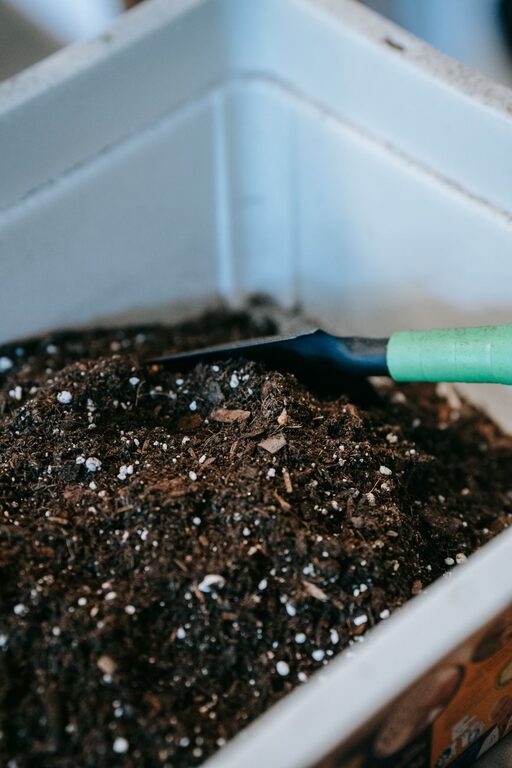
Composting at home is a rewarding and eco-friendly way to reduce waste and create nutrient-rich soil for your garden. Whether you have a large backyard or a small balcony, composting can fit into your lifestyle and help you contribute to a healthier environment. If you’re new to composting, this guide will walk you through essential beginner tips to get you started with confidence and ease.
What is Composting?
Composting is the natural process of breaking down organic materials, like food scraps and garden waste, into a nutrient-rich soil amendment called compost. This “black gold” improves soil structure, helps retain moisture, and provides plants with essential nutrients.
Why Compost at Home?
– Reduces Waste: Keep food scraps and yard waste out of the landfill.
– Improves Soil: Enhances your garden’s soil health and fertility.
– Saves Money: Cuts down on buying commercial fertilizers and soil conditioners.
– Supports Environment: Helps reduce methane emissions generated by decomposing organic waste in landfills.
Getting Started: Basic Tools and Setup
Choose Your Composting Method
- **Traditional Compost Bin:** A designated container or bin placed in your yard.
- **Tumbler Compost Bin:** A spinning bin that speeds up decomposition and is easy to turn.
- **Vermicomposting:** Uses worms to break down scraps, suitable for indoor spaces.
- **Trench Composting:** Burying scraps directly in garden beds, ideal for gardeners with little space or no compost bins.
Where to Place Your Compost Bin
– Choose a dry, shady spot with good air circulation.
– Near a water source makes it easier to moisten materials.
– Accessible for adding scraps and turning the pile.
Essential Equipment
– Compost bin or container
– Garden fork or compost aerator
– Kitchen scrap bin or compost caddy
– Watering can or hose for moisture control
– Optional: Thermometer to monitor temperature
What Can You Compost?
Compost materials are generally divided into “greens” and “browns.”
Greens (Nitrogen-Rich)
– Fruit and vegetable scraps
– Coffee grounds and filters
– Eggshells (crushed)
– Grass clippings
– Fresh garden waste
Browns (Carbon-Rich)
– Dry leaves
– Straw or hay
– Shredded newspaper or cardboard
– Sawdust (untreated wood)
– Twigs and small branches
What to Avoid
– Meat, dairy, and oily foods (attract pests)
– Diseased plants or invasive weeds
– Pet waste
– Treated wood or charcoal ash
Building Your Compost Pile: Step-by-Step
- **Start with a Layer of Browns:** Lay down 3–4 inches of dry leaves or straw for aeration.
- **Add Greens:** Add your kitchen scraps and garden waste in smaller amounts than browns.
- **Alternate Layers:** Continue layering browns and greens, aiming for roughly a 2:1 browns-to-greens ratio.
- **Maintain Moisture:** The pile should be as damp as a wrung-out sponge. Water if dry.
- **Turn Your Pile:** Use a garden fork every 1–2 weeks to mix materials and introduce oxygen.
- **Be Patient:** Composting takes time; expect finished compost in 3–6 months depending on conditions.
Troubleshooting Common Composting Problems
– Pile Smells Bad: Usually too wet or too much green material. Add more browns and turn the pile.
– Pile Is Dry: Add water and more greens to increase moisture.
– Pests in the Pile: Avoid adding meat or oily foods and cover fresh scraps with browns.
– Slow Decomposition: Chop materials into smaller pieces, turn pile more often, and ensure proper moisture.
Tips to Speed Up Composting
– Chop or shred scraps before adding them.
– Use a compost activator or add finished compost to introduce helpful microbes.
– Maintain balance of greens and browns.
– Keep the pile warm by placing it in a sunny spot, if possible.
Using Your Finished Compost
When the compost is dark, crumbly, and smells earthy, it’s ready to use. Spread it around your plants, mix it into garden beds, or use it as potting soil. Finished compost improves soil drainage, supports healthy root growth, and reduces the need for chemical fertilizers.
Starting Small and Staying Consistent
If diving into a full compost bin feels overwhelming, start with a small container for kitchen scraps and add to it regularly. Composting is a learning process—feel free to adjust your approach as you go. Over time, you’ll develop a system that works best for your home and lifestyle.
—
Composting at home is a simple way to create a sustainable cycle in your household. By following these beginner tips, you can turn everyday waste into a valuable resource for your garden while helping the planet. Happy composting!